
Car Key Programming

Transponder, remote and immobiliser recognition assessed together

Modern car keys may combine a cut blade, remote buttons, a transponder chip and keyless functions. Ostan Locksmiths helps drivers assess car key programming concerns when a vehicle will not recognise a key, a remote stops responding or a spare needs to be considered. Call 0410 380 354 with the make, model, year, key type and the exact symptom.

Contact now

Replacement key pathways

Match car key programming to the blade, remote, transponder or smart-key system instead of treating every key as interchangeable.

Backup and duplicate keys

Discuss car key programming while a dependable working key still remains, before loss or wear removes that reference.

Remote and key fob faults

For car key programming, report button response, remote range, physical damage and whether the mechanical blade still works.

Blade and ignition concerns

Stop using a bent, snapped or sticking key and include the ignition response when describing car key programming.
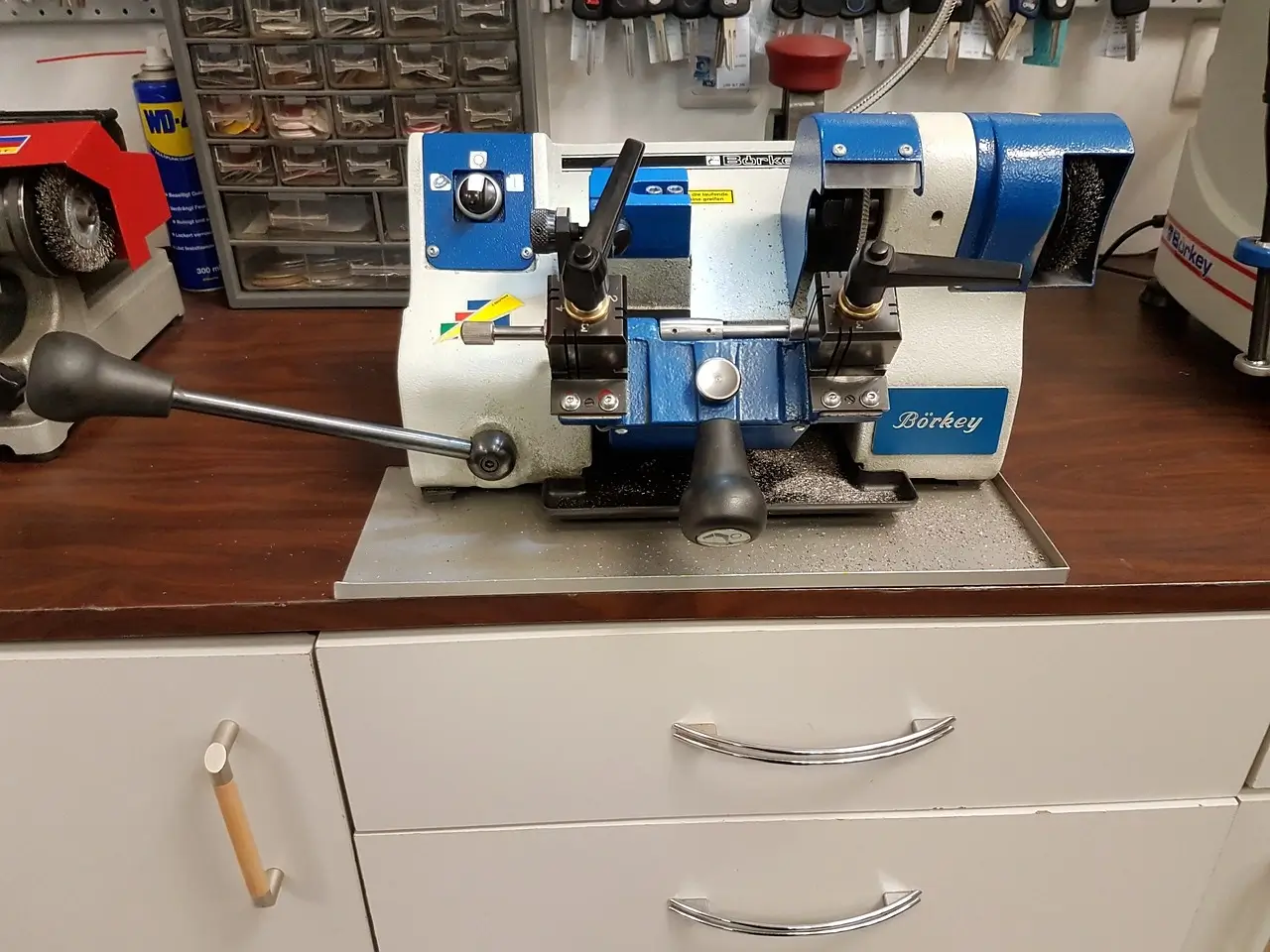
Car key cutting machine for replacement vehicle keys

Understanding car key programming for drivers

Programming is only one possible explanation. A damaged fob, weak battery, worn blade, vehicle battery issue, immobiliser fault or incorrect key can create overlapping symptoms. Note whether the doors unlock, the ignition turns, the engine cranks and a key warning appears before deciding the key simply needs reprogramming.
One working key provides a useful comparison. If one key unlocks and starts the car while another fails, the difference points towards the key or its stored recognition. If every key behaves the same way, vehicle-side diagnosis or power supply may also need consideration.

Situations addressed by car key programming

Transponder recognition

A key warning or no-start symptom can change the car key programming pathway even when the blade or remote still operates.

Remote and key fob faults

For car key programming, report button response, remote range, physical damage and whether the mechanical blade still works.

Locked vehicle access

For car key programming, confirm where the keys are and avoid forcing doors, glass, seals or the boot before access is assessed.

Transponder recognition

A key warning or no-start symptom can change the car key programming pathway even when the blade or remote still operates.

How a car key programming enquiry is assessed

1. Confirm the vehicle and key

Record the make, model, year, location and key type before assessing car key programming.

2. Separate the symptoms

For car key programming, check access, remote response, blade condition, recognition and ignition operation as distinct functions.

3. Agree on the practical option

Explain what can be considered onsite and what parts, security data or workshop support may affect car key programming.

Information to collect before you call

Prepare the manufacturer, model, year, key style and location. Describe each function separately: mechanical entry, remote lock and unlock, ignition turning, engine starting and dashboard warnings. Mention any recent battery replacement, water exposure, shell damage or lost key.

Vehicle and key checklist

Car Key Programming

Separate remote control from transponder recognition

A remote can operate the central locking while the transponder still fails to authorise starting, and the opposite can also occur. Treating these as separate functions helps avoid unnecessary parts or repeated pairing attempts without understanding the fault.
Car key cutting machine for replacement vehicle keys

Discuss car key programming with Ostan Locksmiths

Contact Ostan Locksmiths on 0410 380 354 for car key programming and transponder recognition guidance. We will review the key functions, vehicle response and available spares before explaining the practical option.

Questions about car key programming

Programming or pairing allows compatible electronic key components to communicate with the vehicle. The exact process depends on the transponder, remote or keyless system and the vehicle’s security design.
Yes. Remote locking and immobiliser authorisation are separate functions on many keys. Report which functions work so the problem is not reduced to a single programming assumption.
A battery change does not automatically mean programming is required. If the remote remains unresponsive, the battery installation, fob condition, pairing and vehicle-side response may need to be checked.
It provides a direct comparison with the failing key. If the spare operates every function normally, the fault is more likely connected to the other key than to the whole vehicle system.
No. Compatibility, security access, parts and equipment requirements vary by make and year. Some jobs suit mobile equipment, while others need ordered components or specialist support.